Midnight Innovation: Inside Shenzhen’s Relentless Start-Up Culture

I’ve just returned from my second visit to Shenzhen, and if my first trip last year was eye-opening, this one was something else entirely. Last time, I was impressed by the city’s infrastructure and pace of life. This time, I got a window into the start-up culture — and it’s unlike anything I’ve experienced in the UK.
The 10pm Workshop
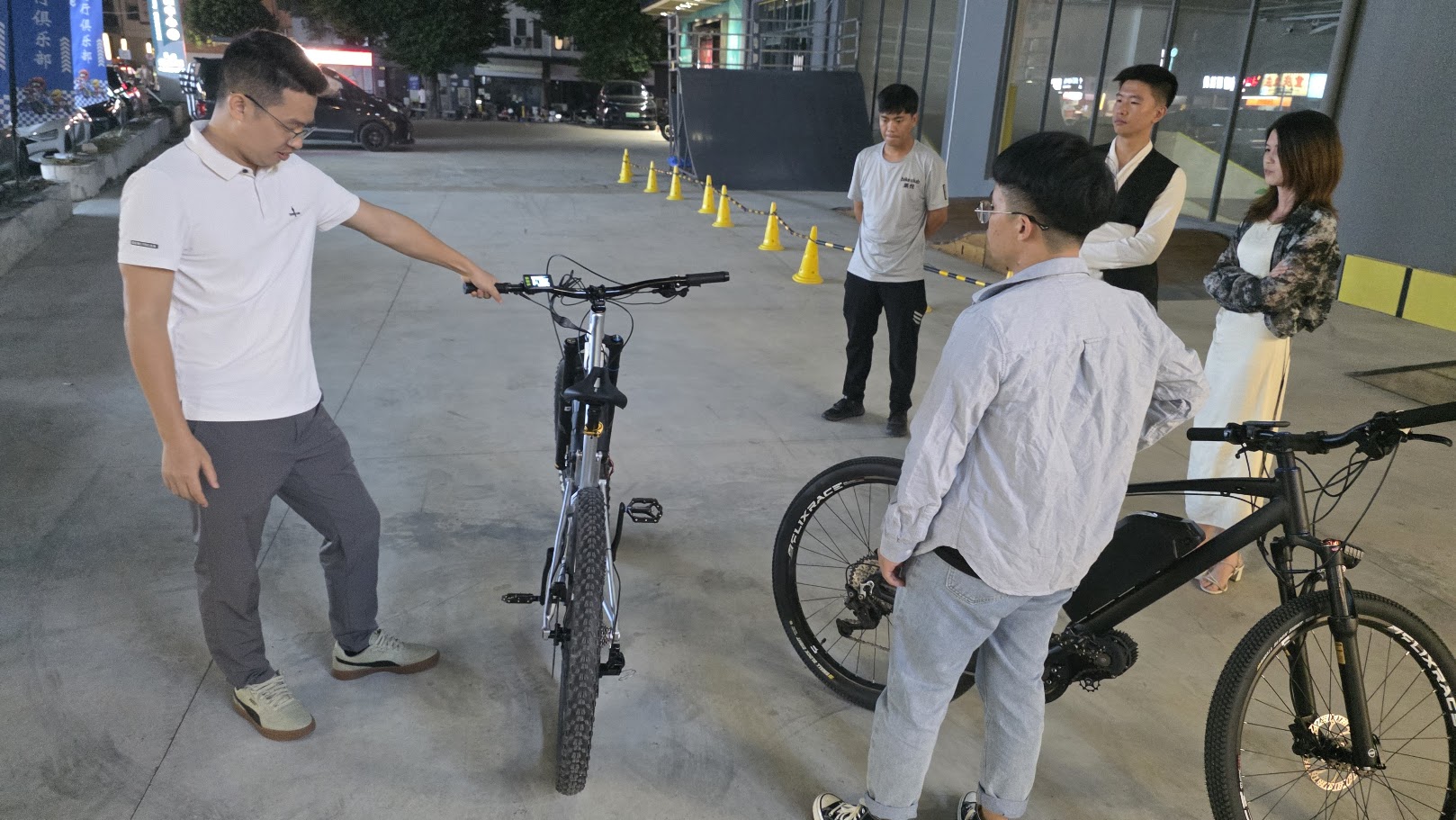
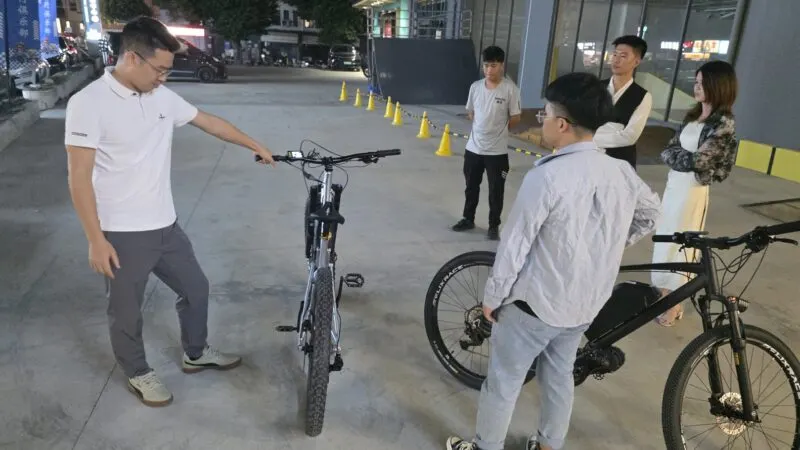
We arrived at a workshop at 10pm to watch a team completing their first production prototype. A specialised motor designed for bikes and mopeds — the kind of hardware innovation that would take months of planning and procurement in the UK. Here, a team of twenty-somethings and thirty-somethings were iterating in real time, testing on the factory floor, and refining the design between midnight coffee runs.
Over dinner earlier that evening, the lead designer had shared his story. He graduated with a design degree but couldn’t find work in his field, so he took a job serving drinks on trains — working 6:30am to 10pm with only four days off per month. He spent his limited free time developing this product. Now he was running the prototype through mountain trail tests, and the technology performed impressively.
What Shenzhen Teaches You About Drive
The real story in Shenzhen isn’t the technology — it’s the mindset. A university graduate works 15-hour days serving drinks whilst designing revolutionary products in his spare time. A business meeting starts at 10:40pm because the client has an opening and the opportunity matters too much to reschedule. A prototype goes from concept to production-ready in weeks, not quarters.
I live in Devon. I love living in Devon. But spending time in Shenzhen is a useful recalibration. Not because we should all be working until midnight — work-life balance matters, and I’d argue the UK gets that more right than wrong. But the intensity of ambition, the willingness to sacrifice comfort for opportunity, and the sheer speed of execution are worth studying.
Implications for UK Tech
Britain led the first industrial revolution. There’s an argument that places like Shenzhen are leading the next one. The city has become the global hub for hardware innovation — if you want to prototype, manufacture, and iterate on physical technology products, there’s nowhere faster or more cost-effective.
For software companies like Exe Squared, the lesson isn’t about competing directly with Chinese manufacturers. It’s about recognising that the businesses we serve are operating in a global market where this level of drive and speed exists. Our job is to build technology that helps them compete — systems that are robust, scalable, and built to move as fast as the market demands.
Coming Home
I always return from Shenzhen with renewed energy. The city makes you think bigger and move faster. It also makes you appreciate what we have in the UK — particularly the talent, the creativity, and yes, the sensible working hours. The trick is combining British innovation with a bit of Shenzhen urgency.
Next time someone tells you they can’t possibly turn something around in two weeks, I’ll be thinking about that workshop at 10pm, a team of young engineers building the future, and a designer who served drinks on trains until he got his shot.