A Week in Shenzhen: Technology, Ambition, and 13-Button Toilet Remotes

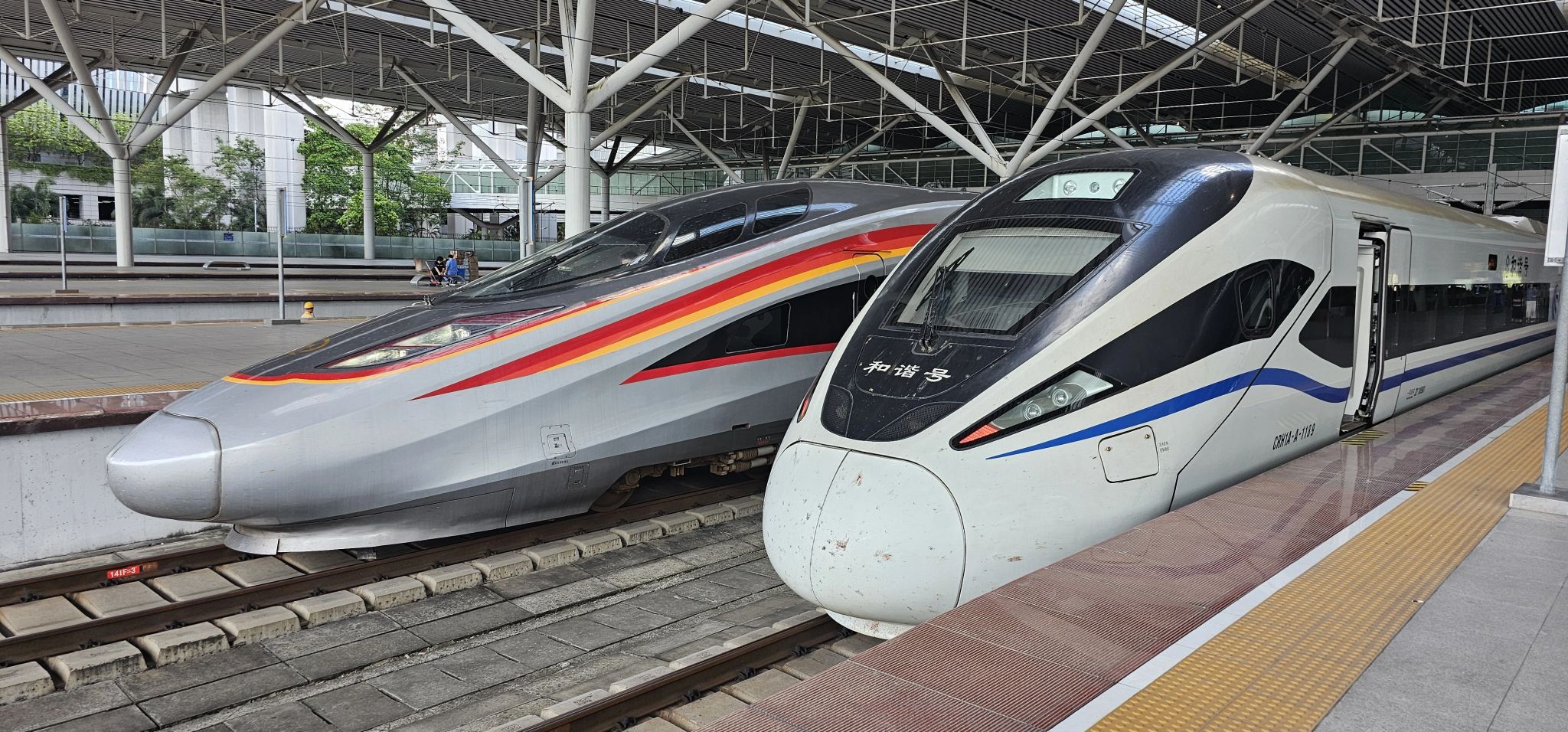
I returned last week from a week in Shenzhen, China, where I was looking at technology with Paul Baber for Ad-MOTO. Apart from their remarkable rail service — £31 to travel 300 miles first class — what did I learn?
A City That Feels Like the Future
As a city, in many ways Shenzhen feels far ahead of the UK. A significant proportion of their cars are electric, and the majority of scooters and small motorbikes are also electric. The infrastructure is modern, clean, and designed for a population that has fully embraced technology in every aspect of daily life.
Everywhere we went, technology was embedded into the ordinary. My hotel toilet had a remote control with over 13 buttons. I had never realised there were that many things you could get a toilet to do. Payment is almost entirely cashless — QR codes and mobile wallets are the default. Even street food vendors have abandoned cash.
The Food
The food I tried was healthy and tasty — that may be because we were taken out to some excellent restaurants by our hosts. I did notice that very few Chinese people are overweight, and I’m sure their healthy diet has something to do with this. The variety was extraordinary: dishes I’d never seen before, flavours that were completely new. It was one of the highlights of the trip.
The Urban-Rural Divide
The split between the country and the city is extreme, and this was perhaps the most striking observation. I live in Devon, in a rural area, but don’t feel I miss out on what the cities offer. In China, whereas the cities felt futuristic — gleaming towers, autonomous vehicles, 5G everywhere — the same couldn’t be said about the countryside. The contrast was stark in a way that doesn’t really exist in the UK.
We experienced this literally at the train station: the Shenzhen end was a vast, modern transport hub that wouldn’t look out of place in a science fiction film. The rural end, serving the same rail line, felt decades behind.
The People
My final take-home is that the people are hard-working and ambitious. Our host came from a farming family, but that was no barrier to education. Her degree in finance and business had opened doors, and at 31 she owned a lovely apartment, drove a good car, and had annual overseas holidays. The people value education, and they value making the most of every opportunity.
That’s probably why our final meeting of the week started at 10:40pm. They wanted to win our business, and that was the last slot we had available. In the UK, suggesting a business meeting at that hour would be met with disbelief. In Shenzhen, it was just Tuesday.
What It Means for Our Work
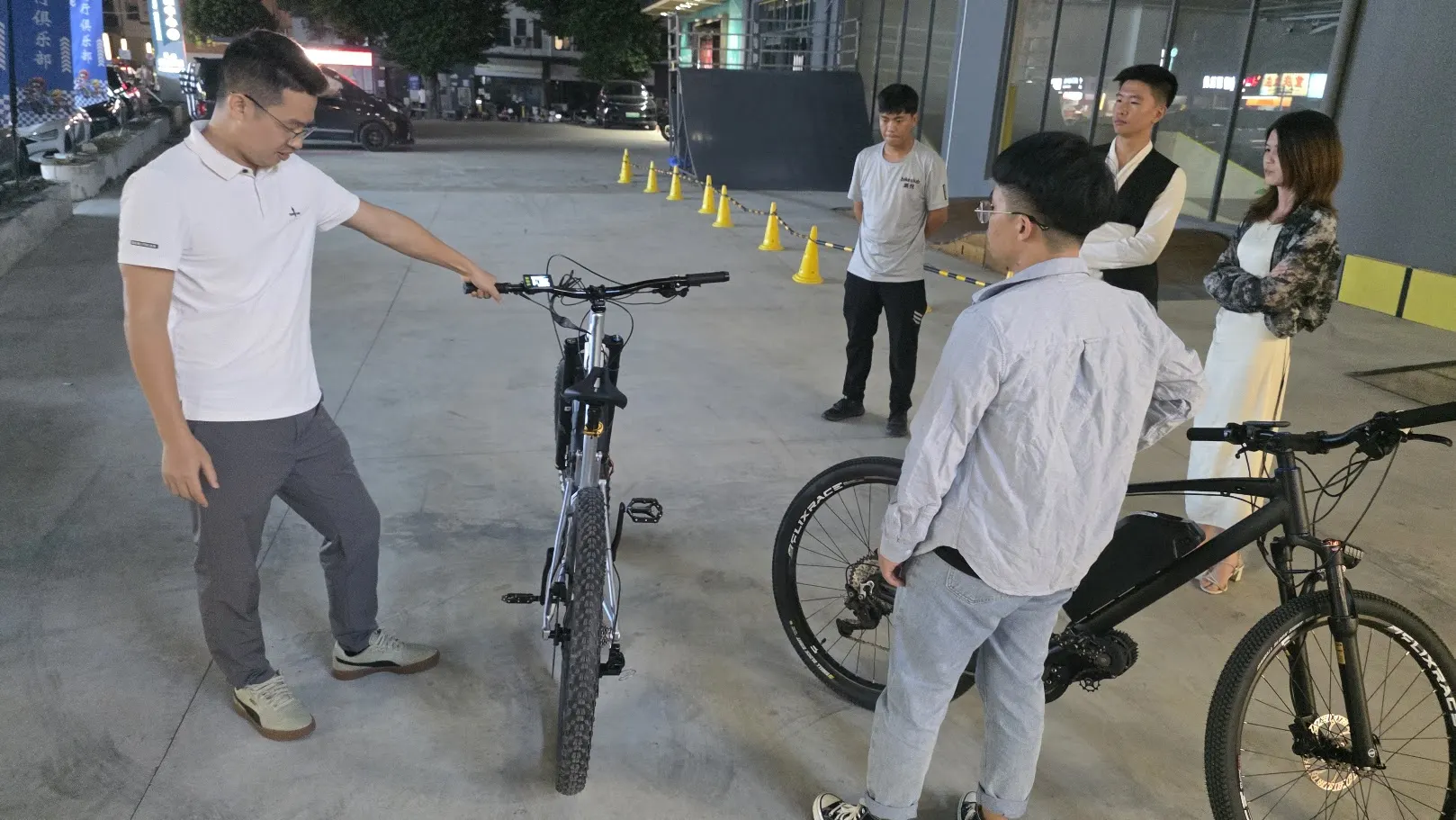
From a technology perspective, the trip reinforced what we already suspected: China is moving fast, particularly in electric vehicles, mobile-first services, and manufacturing automation. For Ad-MOTO, the visit opened up supply chain possibilities and partnerships that simply aren’t available in Europe. The speed at which Chinese manufacturers can prototype, iterate, and deliver production-ready hardware is remarkable.
For Exe Squared more broadly, it was a reminder that the technology landscape is global. Our clients in Devon, London, and across the UK are competing in a world where businesses in Shenzhen will take a meeting at 10:40pm because the opportunity matters that much. That kind of drive is worth respecting — and worth matching.
Note: Never challenge Paul to a drinking contest. You will lose.